Maha Shivratri is one of the most sacred festivals dedicated to Shiva, the deity of transformation, meditation, and cosmic power. Celebrated with night-long prayers, fasting, temple visits, and chanting of mantras, this festival holds deep spiritual importance for millions of devotees across India. Among its many traditions, one that stands out prominently is the consumption of bhang.
But why do Shiva devotees love bhang on Maha Shivratri? The answer lies in mythology, cultural symbolism, and centuries-old practices that connect devotion with celebration.
Mythological Connection Between Shiva and Bhang
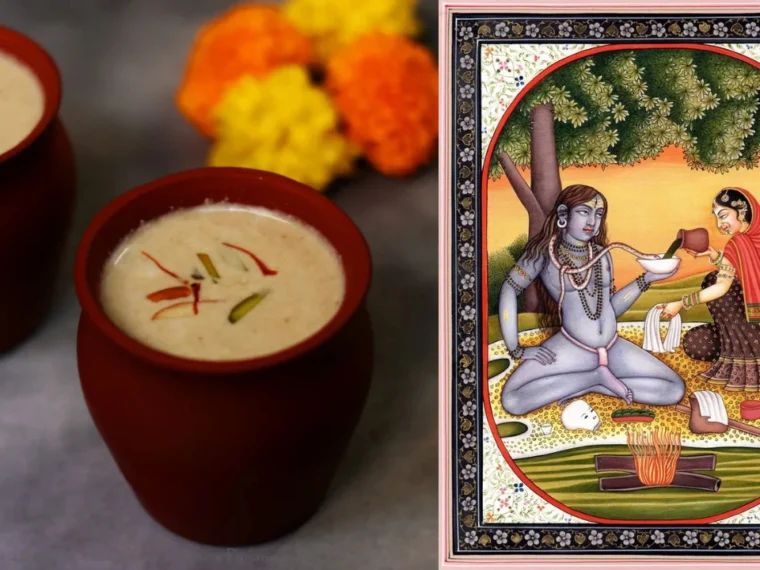
Bhang, a preparation made from cannabis leaves, has long been associated with Lord Shiva. According to popular legends, Shiva is believed to have discovered the plant and accepted it as his favorite offering. Some mythological stories say that after consuming bhang, Shiva entered deep meditation, symbolizing detachment from worldly distractions.
On Maha Shivratri, devotees remember this connection and offer bhang to the deity as a mark of reverence. In many temples, especially in sacred cities like Varanasi, bhang is distributed among devotees as “Shiv Prasad.” Receiving it is considered auspicious and a blessing from the Lord himself.
Symbol of Devotion and Celebration
Maha Shivratri is believed to mark the divine wedding of Shiva and Parvati. Devotees celebrate this sacred union with immense joy and spiritual fervor. Alongside rituals like abhishek (holy bathing of the Shivling), chanting of “Om Namah Shivaya,” and fasting, the consumption of bhang becomes part of the festive spirit.
For many, it is not merely about intoxication but about connecting with Shiva’s ascetic nature. The act is symbolic—representing surrender, simplicity, and freedom from ego.
The Art of Preparing Bhang
Preparing bhang is considered an art in many parts of India. The leaves are carefully ground on a stone slab, mixed with spices, nuts, and milk to create a drink known as thandai. The grinding process itself is often performed with devotion and chanting, adding a spiritual dimension to the preparation.
Bhang thandai, made by blending milk with bhang, sugar, almonds, fennel seeds, and cardamom, becomes a special festive drink during Maha Shivratri. It is widely available in North Indian states and especially popular in temple towns.
Cultural Significance in Varanasi
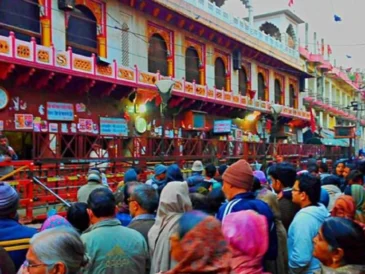
In Varanasi, one of the holiest cities dedicated to Shiva, the tradition of consuming bhang during Maha Shivratri is particularly prominent. Devotees gather in large numbers at temples like Kashi Vishwanath, chanting hymns and celebrating throughout the night.
Shops openly sell bhang in different forms, and locals treat it as a sacred offering rather than just a festive indulgence. The cultural acceptance here reflects centuries of spiritual tradition tied to Shiva worship.
Bollywood and Festive Vibes
The celebration of Maha Shivratri and the association of bhang with Shiva has also found expression in Indian cinema. One of the most iconic festival songs is Jai Jai Shiv Shankar from the film Aap Ki Kasam. The song captures the joyful and energetic spirit often seen during Shivratri festivities, where devotion blends with music and celebration.
Spiritual Meaning Beyond the Ritual
For many devotees, consuming bhang is symbolic rather than mandatory. The deeper essence of Maha Shivratri lies in self-discipline, meditation, and devotion. Fasting, staying awake through the night (jagran), and chanting mantras are the core spiritual practices.
Bhang, in this context, becomes a traditional element rooted in mythology and cultural history. It represents Shiva’s unconventional and ascetic lifestyle, reminding devotees of detachment from material desires.
A Tradition with Responsibility
While bhang is culturally accepted during Maha Shivratri in certain regions, its consumption is traditionally done in moderation and within legal boundaries. The festival’s primary focus remains devotion, prayer, and spiritual awakening.
Maha Shivratri is a night of faith, meditation, and divine celebration. The love for bhang among Shiva devotees is deeply woven into mythology, tradition, and cultural expression. Whether offered as Shiv Prasad in Varanasi, blended into thandai, or celebrated through music and cinema, bhang symbolizes the unique and mystical connection devotees share with Lord Shiva.
Ultimately, the festival reminds believers that true devotion lies not in ritual alone, but in surrender, discipline, and inner transformation.
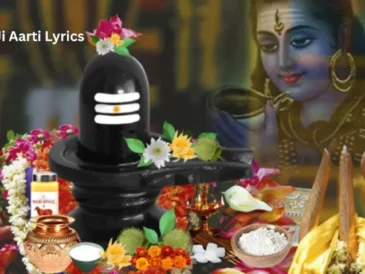
Listen: Shiv Ji Ki Aarti