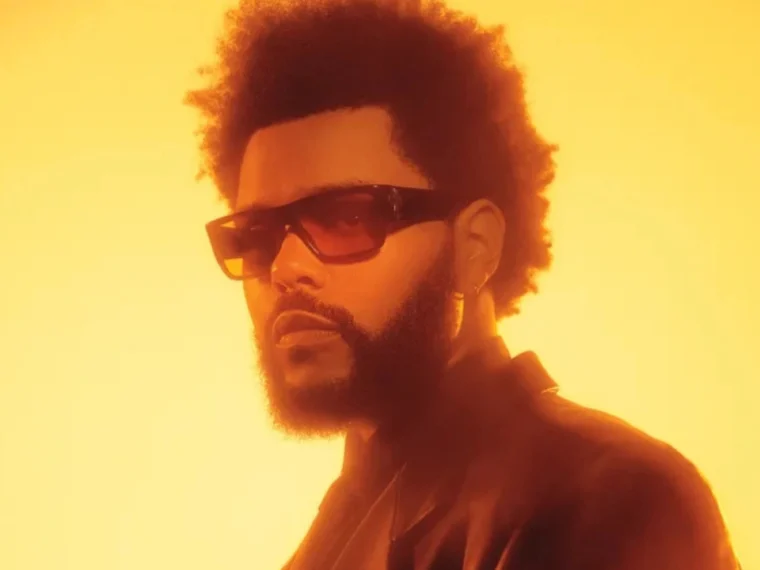
Abel Makkonen Tesfaye, known worldwide as The Weeknd, has transformed from an anonymous voice on the internet into one of the most commercially dominant and culturally influential artists of the 21st century. His journey is not just a story of musical success, but a case study in reinvention, branding, and long-term business strategy. With a career built on atmosphere, emotional storytelling, and strategic expansion, The Weeknd represents a new era where music, identity, and enterprise intersect seamlessly.
Early Rise: Mystery as a Marketing Strategy
The Weeknd’s ascent began in the early 2010s when he quietly uploaded a series of mixtapes online. At a time when social media visibility was considered essential, he chose anonymity. There were no interviews, few public appearances, and almost no photographs. That mystery became his marketing advantage.
His early projects, particularly House of Balloons, introduced a darker, mood-driven sound that reshaped contemporary R&B. Themes of isolation, excess, heartbreak, and ambition resonated with listeners seeking something raw and unfiltered. Rather than chasing radio trends, he created his own sonic universe—moody production layered with haunting falsettos and emotionally complex lyrics.
This bold artistic direction quickly separated him from mainstream pop acts and positioned him as a genre disruptor.
Redefining Modern Pop & R&B
As his career progressed, The Weeknd proved he was more than an underground experiment. Albums like Beauty Behind the Madness, Starboy, After Hours, and Dawn FM demonstrated a remarkable ability to evolve without abandoning his artistic identity.
His global smash hit “Blinding Lights” became one of the most streamed and longest-charting songs in modern music history. It blended nostalgic 1980s synth-pop with contemporary production, showcasing his skill in merging retro influences with futuristic soundscapes.
Unlike many artists who struggle to transition from niche acclaim to global superstardom, The Weeknd managed to do both. He expanded his sound while maintaining emotional depth—a balance that has kept him relevant across multiple music eras.
Brand Value: A Multi-Industry Empire
The Weeknd’s influence extends far beyond music charts. His brand is defined by cinematic visuals, thematic consistency, and an aura of creative control. Every album cycle introduces a new aesthetic—carefully crafted, visually immersive, and strategically executed.
His label XO has grown into more than a music imprint. It represents a lifestyle brand tied to exclusivity, youth culture, and artistic freedom. Collaborations with major fashion houses, tech companies, and global corporations have strengthened his commercial footprint.
What makes his brand especially powerful is authenticity. Rather than endorsing products randomly, he aligns with projects that complement his artistic image. This strategic discipline has elevated his market credibility and long-term valuation.
Net Worth & Financial Influence
As of 2025, The Weeknd’s estimated net worth ranges between $300 million and $400 million. However, his financial reach goes beyond simple salary figures.
His wealth is built on multiple revenue streams:
-
Streaming & Record Sales: Billions of global streams generate consistent royalty income.
-
Stadium Tours: International tours across North America, Europe, Asia, and beyond have generated record-breaking ticket sales.
-
Music Catalog Ownership: Long-term publishing and catalog rights ensure sustainable income growth.
-
Brand Partnerships: Selective endorsements in fashion, technology, and automotive sectors.
-
Creative Ventures: Expansion into film production and television storytelling.
Unlike artists who rely heavily on short-term promotional deals, The Weeknd has prioritized ownership and equity. That decision ensures long-term financial stability rather than temporary commercial spikes.
Controversies & Cultural Conversations
Like many influential artists, The Weeknd’s career has not been without controversy. Some critics argue that his lyrics and visuals romanticize toxic relationships, emotional detachment, and indulgent lifestyles. His darker storytelling has sparked debate over whether it glamorizes destructive behavior.
His involvement in provocative television and cinematic projects has also divided audiences. However, supporters maintain that his work is rooted in artistic honesty. Rather than presenting moral lessons, he explores uncomfortable truths about fame, vulnerability, and human complexity.
Interestingly, these controversies have rarely harmed his career. Instead, they have often amplified conversations around art, freedom of expression, and emotional realism in modern entertainment.
Personal Life & Philanthropy
Born and raised in Toronto to Ethiopian immigrant parents, The Weeknd experienced modest beginnings shaped by cultural duality and personal struggle. Those formative experiences heavily influence his songwriting, which frequently touches on ambition, loneliness, and self-discovery.
Although his relationships have attracted media headlines, he generally keeps his private life controlled and measured. In interviews, he has spoken openly about mental health pressures, fame-induced isolation, and the challenges of global stardom.
Philanthropy plays an important role in his identity. He has donated millions to humanitarian causes, education initiatives, and global relief efforts—demonstrating a commitment to impact beyond entertainment.
Legacy & The Future
The Weeknd’s long-term legacy is shaping up to be larger than chart statistics. He has influenced a new generation of artists who embrace vulnerability and atmospheric production. More importantly, he has proven that creative integrity and business intelligence can coexist.
As he continues expanding into film, immersive touring experiences, and cross-industry ventures, his blueprint becomes clearer: reinvention without losing authenticity. In an industry driven by short attention spans and viral cycles, The Weeknd stands out as a figure of sustained artistic relevance.
His evolution from a mysterious online artist to a global cultural architect represents not just success—but strategic mastery of modern entertainment.