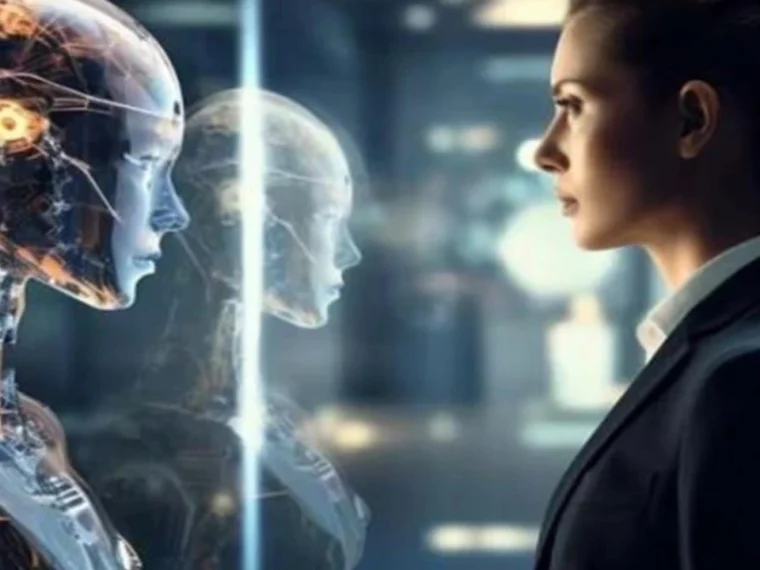
AI Influencers: A recent report by The Verge has sparked a major debate in the digital world—are AI-powered creators set to replace human influencers? As artificial intelligence becomes more advanced and more brands adopt virtual influencers, questions are rising about the future of the influencer economy and whether human creators are at risk of being overshadowed by technology.
What Are AI Creators?
AI creators are virtual personalities generated using artificial intelligence. They can produce text, images, videos, and even interact with audiences on social media just like human influencers. These AI characters can be programmed to promote products, share stories, and maintain an active online presence—without ever taking a break.
Advantages of AI Creators Over Human Influencers
1. 24/7 Availability
AI influencers never get tired. They can create content and engage with followers around the clock, unlike humans who need rest and downtime.
2. Cost-Effective
Brands do not need to spend on salaries, travel, accommodations, or production costs. AI creators offer a financially efficient alternative.
3. Complete Control
Companies can fully manage the messaging, appearance, tone, and behavior of AI influencers, ensuring every post aligns with brand values.
4. Easily Scalable
AI creators can be multiplied instantly. If a brand needs five or fifty influencers, they can be created quickly based on demand.

Limitations and Risks of AI Creators
1. Lack of Emotional Intelligence
AI lacks human emotions such as empathy, creativity, or genuine storytelling, which often form the core of influencer-audience connection.
2. Questionable Authenticity
Many users may find AI influencers “fake” or unrelatable, impacting trust and engagement.
3. Technical Limitations
AI is still evolving. System errors or unexpected behavior can lead to inaccuracies or inappropriate content.
4. Ethical Concerns
There are growing concerns around transparency, fake identities, and whether AI influencers might mislead consumers.
Impact on the Influencer Economy
If AI creators continue to grow in popularity, they could reshape the influencer industry in several ways:
• Job Loss for Human Influencers
Brands may replace or reduce human influencers in favor of low-cost, high-efficiency AI characters.
• Increased Competition
Human creators will need to elevate their originality, relatability, and creativity to stay relevant.
• New Regulations
Governments and social media platforms may introduce new rules regarding disclosure, identity transparency, and AI-generated content.
• Shift in Advertising Approach
Brands might increasingly rely on AI influencers for promotions, changing the structure of digital advertising campaigns.
The Road Ahead of AI creators
It is still too early to predict whether AI creators will completely replace human influencers. Although the technology is rapidly advancing, audience acceptance will play a key role in shaping the future. What is clear, however, is that AI-created influencers have the potential to significantly transform the industry—bringing new opportunities, challenges, and ethical questions.
As the influencer landscape evolves, the future will likely not be a simple battle between AI and humans, but rather a hybrid model where both coexist. AI influencers may dominate areas that require scale, consistency, and cost efficiency, while human creators continue to lead in authenticity, emotional storytelling, and cultural relevance. Audiences still crave real experiences, personal struggles, and genuine connections—qualities that remain uniquely human. At the same time, brands are driven by performance metrics, efficiency, and innovation, making AI an attractive option. The real transformation may lie in collaboration, where human influencers use AI tools to enhance creativity and productivity instead of competing against them. Ultimately, trust will be the deciding factor. If consumers value transparency and authenticity, human influencers will continue to thrive. If convenience and novelty take priority, AI creators could gain stronger ground in the digital economy.